Groomer vocabulary sounds like a menu written in code. Kennel cut, lamb cut, teddy-bear cut, breed standard: each name is a set of instructions about length, shape, and which parts of the dog get which treatment. Knowing what the names actually mean saves the most common grooming disappointment in Kings Mountain, which is a dog that comes home groomed exactly as requested and nothing like what the owner pictured.
There is also a quieter cost to getting the vocabulary wrong. Choosing a long, high-maintenance style without the home care to match does not fail on day one. It fails over the following weeks, as the coat mats, the next groom gets harder, and the eventual fix is a much shorter cut than anyone wanted. Washin' Up Pups does full grooms and haircuts, and the naming guide below is the conversation worth having before the clippers start.
The main terms, translated
A breed standard cut follows the pattern set for that breed in the show world: the specific lengths, shaping, and profile the breed is presented in. It is the most detailed and usually the most upkeep. A kennel cut, sometimes called a utility or summer cut, means one practical length over most of the body with the face, feet, and tail tidied. It is the low-maintenance end of the scale. A lamb cut leaves the body shorter with fuller, shaped legs, like a lamb's rounded look. A teddy-bear cut aims for a soft, rounded, plush appearance: a fuller face shaped round, a body left longer and even, and an overall stuffed-animal outline. It is a look, not a breed pattern, so details vary between groomers.
Why names alone go wrong
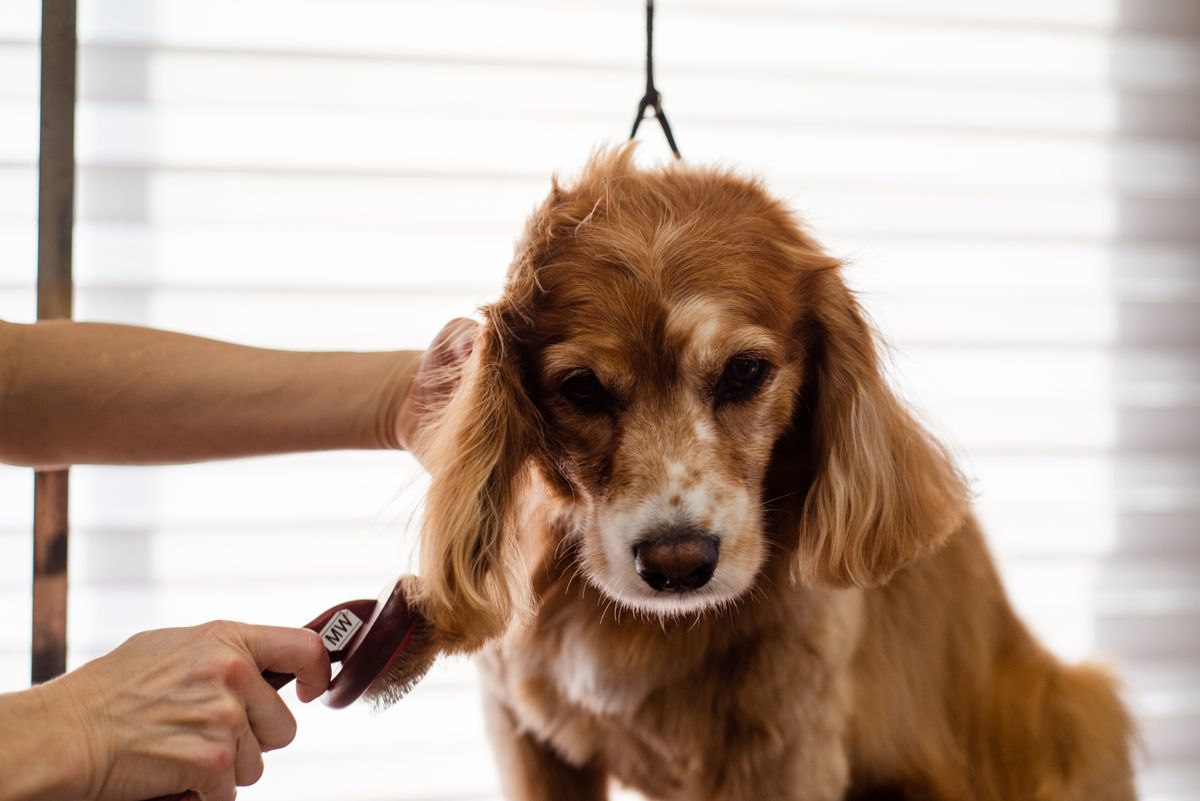
Style names are not standardized across salons. One groomer's teddy-bear may be another's puppy cut, and lengths get described in inches, clipper blade numbers, or comparisons that mean different things to different people. Coat type changes the result too: the same length looks plush on a dense curly coat and wispy on a fine, straight one. A photo removes most of this guesswork. Bring a picture of the exact dog and cut you like, ideally your own dog after a groom you loved, and say what you liked and did not like about the last cut in plain terms: ears shorter, face rounder, body one step longer.
The cost of neglecting the upkeep between cuts
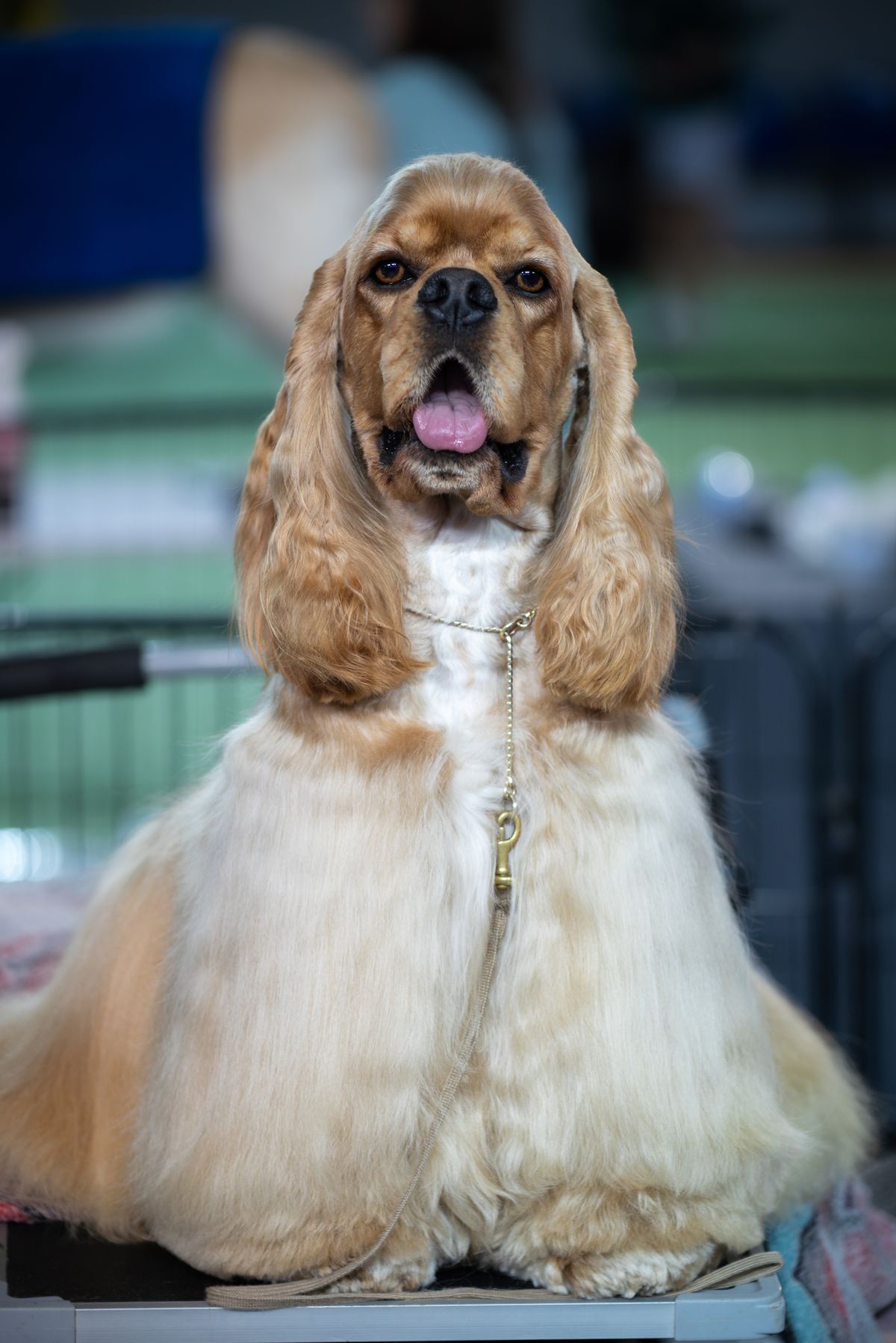
Long styles are agreements. The groomer delivers the shape, and the owner maintains it with brushing to the skin and a steady appointment interval. Skip the brushing and the coat does the predictable thing: friction spots tangle, tangles tighten into mats, and mats against the skin hold moisture and irritate it. At the next appointment the groomer faces a choice between a long, painful dematting session and clipping under the mats, which means the dog leaves in a short kennel-style cut regardless of what was booked.
The neglect compounds in smaller ways too. Nails left between grooms grow long and change how the dog stands. Ears on long-coated breeds grow hair that traps moisture. Eyes disappear behind overgrown face hair that owners trim unevenly at home with scissors near a moving dog, which is a genuine injury risk. None of this requires neglectful intent. It only requires a style whose upkeep exceeds the time available, which is a scheduling mismatch, not a moral failing.
Choosing a cut your life can support
Be honest about three things: how many minutes of brushing will realistically happen each week, how often you will book, and how active and muddy your dog's life is. A dog that swims, hikes, and rolls in wet grass in a long teddy-bear cut is a dog on a fast track to mats. The same dog in a shorter, shaped cut looks tidy, dries fast, and needs a fraction of the home care. Groomers would rather deliver a shorter cut that stays handsome for six weeks than a long one that falls apart in two.
You can also compromise by zone. Keep the body practical and leave the face and ears fuller for expression, or keep legs shorter where they collect mud and burrs. Mixed lengths are normal practice, and describing your dog's lifestyle gets you a better cut than reciting a style name.
Building a shared record
After a groom you love, ask the groomer to note the details: body length, leg and face treatment, and anything special. Salons keep these notes, and they turn next time's conversation from memory into a record. If a cut disappoints, say so specifically at pickup or within a day or two, when the groomer can connect the feedback to the dog. Specific feedback improves the next groom; silence just repeats the same one.
Common questions
Is a teddy-bear cut a real breed cut?
No. It is a descriptive style name for a rounded, plush look, not an official breed pattern. Because groomers interpret it differently, a photo is the safest way to request it.
What is the easiest cut to maintain?
A kennel cut, one practical length over the body with face, feet, and tail tidied, needs the least home brushing and holds up longest between appointments.
How do I get the same cut every time?
Bring a photo of your dog after a groom you liked and ask the salon to record the lengths and details. Written notes beat both memory and style names.
Photos in this guide are representative stock images.
← All guides from Washin' Up Pups← Back to Washin' Up Pups